
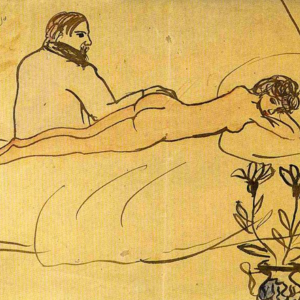
The phrase “separate the art from the artist” gets thrown around a lot, and usually generates one of two reactions: separating the art from the artist is an ethical way to continue enjoying your favorite pieces of media; and separating the art from the artist is impossible, so if a controversial figure releases a piece of media, that media should be boycotted. There’s not much overlap between these two schools of thought, which I find incoherent, as it seems to me they both miss the bigger picture. First, what does “separate the art from the artist” actually mean? When most people throw the phrase around, the implication seems to be “I like this piece of art but not its creator, so I acknowledge that creator’s wrongdoing but do not intend to stop consuming the media they created.” Those who “separate the art from the artist” might privately admit a creator’s wrongdoing but take no concrete action as a result. This stance is diametrically opposed to the boycotting camp; boycotting is a concrete action that, if duplicated enough (which is, admittedly, rare), has concrete repercussions for a creator’s income and livelihood. What I think these two stances miss, though, is any acknowledgment of complexity or nuance. Some of the best art in history was made by incredibly fucked up people: Pablo Picasso, for example, kickstarted a movement that revolutionized modern art, painted images that spoke to the horrors of war and gave voice to great pain, and at the same time abused women to the point of suicide. Do we gloss over Picasso’s legacy and give all the accolades to Bruges instead? Or do we continue on ignoring his bad behavior and allow the trauma he inflicted on those in his personal life to go unacknowledged? Personally, I’m uncomfortable with both of these solutions. The key here is critical consumption. Does an artist’s particular controversy affect the art they create? If so, how? When Chris Brown raps about filming his sex life with a GoPro, that’s his (overly) personal business, but when he (allegedly) refers to Rihanna’s abuse suit as nothing but “drama” and (allegedly) denounces her as a “vulture” for it, that “personal business” I referred to earlier becomes harder to ignore. Listening to Brown’s music is an individual decision predicated on your belief in the power of the boycott, but it’s important to keep an ear out for the moments where he does touch on that abuse. In those moments, think: is this song really so brilliant in context? Or should I just hit skip? It’s impossible to completely separate an artist from the media they create. Being aware of where the lines blur and where there is no relation seems, to me, the best way to consume media by controversial figures. I know “thinking about it” seems like just another form of inaction, but the fact is no amount of not buying “Harry Potter” will make J. K. Rowling less rich. But having these conversations, refusing to sweep controversies under the rug, discussing where the lines blur, and, yes, boycotting the media that explicitly touches on the grossest expressions of an artist’s personal contentions might just move the needle of cultural understanding in the right direction.